Quick Summary
A judge may order a felony case dismissal in Texas before trial if legal problems exist with the arrest, evidence, indictment, or constitutional rights. You may see dismissal when prosecutors lack evidence, procedures were violated, or charges are legally defective. Courts review these issues carefully before allowing a case to proceed.
Facing felony charges can be overwhelming, especially when you are unsure whether the case will proceed to trial or be dismissed earlier in the process. Courts sometimes dismiss felony cases before trial when legal issues arise involving evidence, procedures, or constitutional rights. Understanding felony case dismissal in Texas helps you see how judges evaluate whether a case can legally move forward.
Legal analysis is often required to determine whether dismissal is possible because dismissal usually depends on technical legal issues, evidence problems, or procedural violations. Texas Criminal Defense Attorneys often review indictments, arrest procedures, and evidence handling to determine whether dismissal may be legally justified before trial.
Judges Can Dismiss Felony Cases Before Trial
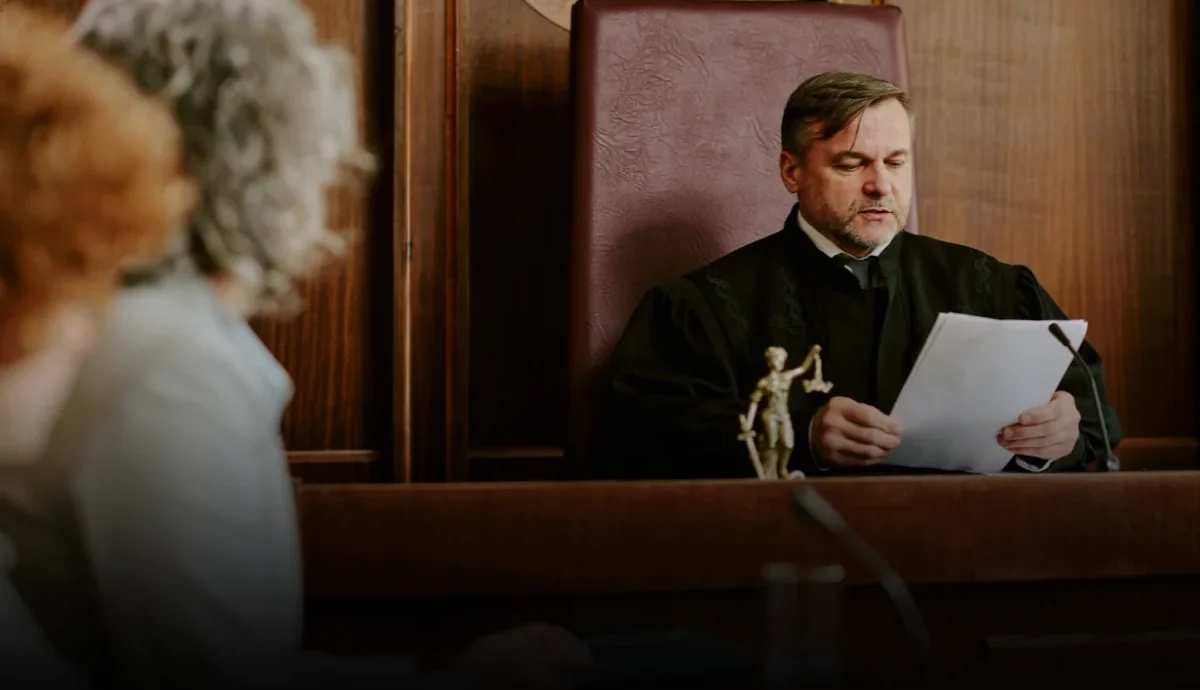
Judges can dismiss felony cases before trial if legal defects prevent the case from moving forward. This usually happens after motions are filed challenging evidence, procedures, or the indictment.
Dismissals do not occur simply because charges were filed. Courts must identify a legal reason to dismiss the case. Common reasons involve evidence suppression, constitutional violations, or defects in the indictment.
Situations that may lead to dismissal include:
- Illegal search or seizure
- Lack of probable cause
- Defective indictment
- Prosecutor’s motion to dismiss
- Violation of constitutional rights
- Insufficient evidence to proceed
Under Texas Code of Criminal Procedure Article 32.01, a court may dismiss a case if a defendant is detained or released on bail and the state does not timely obtain an indictment, unless the state shows good cause for the delay.
Evidence Problems Can Lead To Case Dismissal
Evidence problems are one of the most common reasons felony cases are dismissed before trial. If key evidence becomes inadmissible, the prosecution may not be able to continue the case. Courts may dismiss a case if evidence was obtained illegally, lost, contaminated, or cannot be authenticated. Without reliable evidence to prove the elements of the offense, prosecutors may not be able to meet the legal burden required to move the case forward.
Illegal Searches Can Lead To Evidence Suppression
Illegal searches can lead to evidence being suppressed. If critical evidence is suppressed, the case may be dismissed.
Under Texas law, evidence obtained through unlawful search or seizure may be excluded from trial. If the prosecution cannot prove the case without that evidence, dismissal may occur.
Insufficient Evidence May Lead To Case Dismissal
Insufficient evidence may lead to case dismissal if prosecutors cannot prove the elements of the offense. Courts may dismiss charges when the available evidence does not support probable cause or cannot meet the legal burden required for trial.
A case may also be dismissed if the prosecution lacks enough evidence to prove the elements of the offense. Prosecutors must show probable cause and later sufficient evidence to proceed toward trial.
If witnesses recant, evidence is unreliable, or forensic evidence is unavailable, prosecutors may move to dismiss the case before trial rather than continue prosecution without sufficient proof.
Indictment Errors May Result In Case Dismissal
Errors in the indictment can lead to dismissal if the charging document is legally defective. An indictment must properly allege a criminal offense under Texas law.
An indictment may be challenged if it:
- Fails to allege all required elements of the offense
- Lists incorrect dates or facts
- Charges conduct that is not a criminal offense
- Contains procedural errors in grand jury proceedings
If the indictment is defective, a judge may dismiss the case or require the prosecution to correct the issue. In felony cases, indictments are critical because felony prosecutions generally require grand jury indictment under Texas law.
Under Texas Code of Criminal Procedure Article 27.08, a defendant may file a motion to set aside an indictment for certain legal defects, including errors in the charging document or procedural issues related to the grand jury process.
Constitutional Violations Can Lead To Case Dismissal
Constitutional violations can lead to case dismissal if law enforcement violated a defendant’s legal rights during the investigation, arrest, or questioning process. Courts must ensure that criminal cases follow constitutional protections, and serious violations may prevent prosecutors from using important evidence. If the violation affects the fairness of the case or the legality of the investigation, it may result in a felony case dismissal Texas before trial.
Right To Counsel Violations Can Affect Cases
Right to counsel violations can affect cases when law enforcement questions a suspect after the right to an attorney has been invoked. Statements obtained in violation of this right may be suppressed and cannot be used in court. If those statements are a major part of the prosecution’s evidence, the case may be dismissed because prosecutors may not have enough remaining evidence to proceed to trial.
Due Process Violations Can Affect Case Validity
Due process violations can affect case validity when the government acts unfairly during the investigation or prosecution. This may include destroying evidence, failing to disclose evidence, or engaging in improper investigative conduct. Courts may dismiss cases when government actions violate due process rights and prevent a fair trial from occurring.
After reviewing these constitutional issues, some individuals choose to speak with a criminal defense attorney to understand whether rights violations may affect their case.
Prosecutors May Request Case Dismissal Before Trial
Prosecutors may request case dismissal before trial if they determine there is not enough evidence or if legal issues prevent the case from moving forward. In some situations, the prosecution files a motion to dismiss when continuing the case is no longer legally or practically possible.
Prosecutors may dismiss a felony case if:
- Evidence becomes unavailable
- Witnesses refuse to testify
- New evidence shows innocence
- Police procedures were improper
- Another jurisdiction files charges
- A plea agreement resolves related charges
In many cases, prosecutors file a motion to dismiss if continuing prosecution is not legally or practically possible.
Timing Of Felony Case Dismissals Before Trial
Felony dismissals can happen at different stages of the criminal process before trial. Dismissal does not occur only at one specific court hearing.
Common stages where dismissal may occur:
Stage of Case | Possible Reason for Dismissal |
After Arrest | Lack of probable cause |
After Indictment | Defective indictment |
Pretrial Motions | Evidence suppression |
Discovery Phase | Evidence issues |
Before Trial | Prosecutor dismissal |
Speedy Trial Issues | Delay violations |
Understanding when felony charges can be dismissed Texas often depends on the stage of the case and the legal issues involved.
In some cases, courts also evaluate how evidence was obtained and how procedures were followed during investigations, similar to issues that arise in serious felony investigations and arrest procedures.
Felony Case Dismissal Texas Legal Process Overview
The legal process for dismissal usually involves a motion filed by the defense or prosecution. Judges do not typically dismiss felony cases without a formal legal motion.
The general dismissal process includes:
- Defense files motion to suppress or dismiss
- The court schedules motion hearing
- Attorneys present legal arguments
- The judge reviews evidence and legal standards
- The judge issues a ruling.
- Case dismissed or continues toward trial
According to Texas law, courts may dismiss charges if there is insufficient evidence or legal defects in the prosecution.
When Felony Case Dismissal Happens Before Trial
Felony case dismissal Texas before trial usually occurs because of legal defects, evidence problems, constitutional violations, or prosecutor decisions. Judges review legal motions carefully before dismissing a case, and dismissal typically requires a specific legal reason rather than simply challenging the charges.
Dismissals may occur at different stages of the criminal process, including after arrest, after indictment, during pretrial motions, or before trial begins. Understanding these procedures helps you see how courts evaluate whether a case should move forward. Each stage of the case provides opportunities for legal challenges that may affect whether the case proceeds to trial.
Texas Criminal Defense Attorneys assist individuals by reviewing indictments, evidence procedures, and constitutional issues to determine whether dismissal may be legally possible. You may book a free case evaluation by contacting (346) 485-4545 or visiting the Contact Us page.
Frequently Asked Questions
Can a felony case be dismissed before formal charges are filed?
Yes, a felony investigation may end before formal charges are filed if prosecutors decide the available evidence does not support filing a case. This can happen when police reports are incomplete, witnesses are unavailable, or legal issues affect whether evidence can be used. In that situation, the case may stop before indictment or any trial setting occurs.
Can dismissed felony charges still appear on your record in Texas?
Yes, even if felony charges are dismissed, the arrest and case history may still appear in background checks unless you qualify for additional relief such as expunction or an order of nondisclosure. Dismissal ends the prosecution, but it does not automatically erase public or law enforcement records. Whether you can clear the record depends on the case outcome and Texas eligibility rules.
Can a felony case be dismissed after charges are already filed in court?
Yes, a felony case can be dismissed after charges are filed if later legal problems affect the prosecution. For example, a court may suppress important evidence, a charging defect may be identified, or prosecutors may determine the case cannot proceed. Filing charges does not guarantee that the case will remain active through trial.
Can a felony case be dismissed if a key witness stops cooperating?
Yes, a felony case may be dismissed if a key witness stops cooperating and prosecutors no longer have enough admissible evidence to prove the charge. This does not mean dismissal is automatic, because the prosecution may still rely on other evidence. However, witness unavailability can significantly weaken the case and sometimes leads prosecutors to end it before trial.
Can a plea agreement result in felony charges being dismissed?
Yes, a plea agreement can sometimes result in felony charges being dismissed as part of negotiations between prosecutors and the defense. In some cases, prosecutors may dismiss a felony charge in exchange for a plea to a lesser offense or a different charge. Courts must approve plea agreements, and in some negotiated resolutions, this process may lead to a felony case dismissal Texas before trial.