Quick Summary
Theft vs. shoplifting: Shoplifting is not a separate crime and is generally charged under the theft statute. If you take merchandise from a store without paying, it is typically prosecuted as theft. The main difference is that shoplifting refers to retail theft behavior, while theft is the broader legal offense that includes many types of property or services
Confusion often arises when people try to understand the difference between theft and shoplifting. Many people assume shoplifting is a separate criminal charge, but the legal classification is different. Understanding Texas theft vs. shoplifting laws is important because the distinction usually depends on how the property was taken and where the incident occurred.
Understanding how these offenses are classified helps clarify how prosecutors file charges and how courts evaluate retail theft cases. Texas Criminal Defense Attorneys often explain that shoplifting is generally prosecuted under the broader theft statute rather than as a separate criminal offense.
Texas Law Classifies Shoplifting Under Theft Statutes
Texas law does not have a separate statute specifically called shoplifting. Instead, shoplifting is generally prosecuted under the Texas theft statute when merchandise is taken from a retail store without paying.
This means that in most situations, shoplifting is legally considered theft. The difference is mostly in how people describe the conduct rather than how the law classifies the offense.
According to Texas Penal Code §31.03, theft occurs when a person unlawfully appropriates property with intent to deprive the owner of property. Retail merchandise taken without paying typically falls under this statute.
Theft And Shoplifting Usually Occur In Different Situations
Theft and shoplifting are often discussed together, but they typically occur in different situations. Theft can involve many types of property, including personal property, services, or business property, while shoplifting usually involves retail merchandise taken from a store without paying. The legal classification may be the same, but the circumstances of the incident are often different.
Theft cases may involve situations such as taking property from another person, employee theft from a workplace, theft of services, or receiving stolen property. In contrast, shoplifting cases typically involve retail merchandise offered for sale in stores, along with store security or loss prevention procedures.
Shoplifting Is A Type Of Retail Theft Behavior
Shoplifting is generally considered a type of retail theft behavior rather than a separate criminal offense under Texas law. When merchandise is taken from a store without paying, the conduct is typically charged under the general theft statute. In shoplifting vs theft Texas discussions, the main difference is that shoplifting specifically involves retail stores and merchandise, while theft can involve many different types of property or services.
Common Examples Of Shoplifting Behavior In Stores
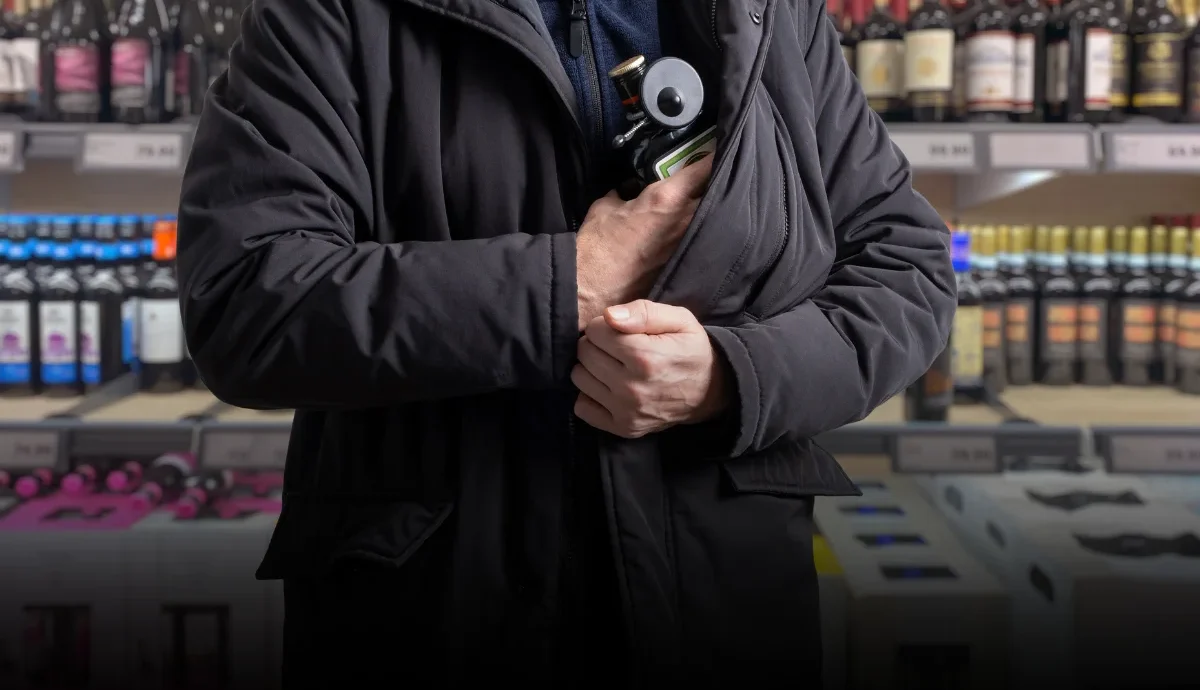
Shoplifting behavior usually involves taking merchandise from a retail store without paying. These actions may be used as evidence that a person intended to deprive the store of merchandise, which is an important element in theft cases.
Common examples of shoplifting behavior may include:
- Concealing items inside clothing or bags
- Switching or altering price tags
- Leaving a store without paying
- Under-ringing items at self-checkout
- Walking past checkout areas with unpaid merchandise
Retail Theft Often Involves Store Merchandise
Retail theft typically involves merchandise offered for sale in stores such as clothing, electronics, tools, or groceries. Unlike other theft cases that may involve personal property or services, shoplifting cases usually involve store merchandise and store security procedures. This is one of the main practical differences between theft and shoplifting situations, and understanding theft vs shoplifting Texas law helps explain why retail theft is usually charged under general theft statutes.
Intent Is Often Inferred In Retail Theft Cases
In retail theft cases, intent is often inferred from a person’s actions inside a store rather than direct statements. Prosecutors may attempt to show that a person intended to deprive the store of merchandise based on behavior such as concealment, switching price tags, or leaving the store without paying. This issue is often important when courts evaluate whether the conduct meets the legal definition of theft under Texas law.
Courts may consider factors such as:
- Concealing merchandise
- Walking past checkout without paying
- Switching or removing price tags
- Under-ringing items at self-checkout
- Leaving the store with unpaid items
These actions may be used as evidence of intent in shoplifting and retail theft cases.
Retail Stores Often Use Loss Prevention Procedures
Retail stores often use loss prevention procedures to prevent shoplifting and retail theft. These procedures may involve store security personnel, surveillance cameras, inventory tracking systems, and electronic security tags on merchandise. When shoplifting is suspected, store employees may detain the individual and contact law enforcement.
Common loss prevention measures include surveillance cameras and monitoring systems, security tags or sensors on merchandise, store security personnel, and inventory tracking and audits, along with incident reports and documentation. These procedures are widely used in retail theft cases and can provide evidence that may later be used in a criminal investigation or court proceeding.
Retail Theft Cases Often Begin With Store Detention
Retail theft cases often begin when store employees or loss prevention personnel stop a person suspected of shoplifting. Texas law allows store employees to detain a person suspected of shoplifting for a reasonable time while law enforcement is contacted and the incident is investigated.
After law enforcement arrives, the person may receive a citation or may be arrested depending on the value of the merchandise and the circumstances of the incident. The case may then proceed through the criminal court process, which can include court appearances, hearings, and possible resolution of the charge.
Understanding Theft Vs Shoplifting Texas Under Criminal Law
Understanding theft vs shoplifting Texas under criminal statutes is important because the law does not treat shoplifting as a completely separate offense. Instead, most retail theft incidents are charged under the general theft statute based on unlawful taking and intent to deprive the owner of property.
The classification of the offense is primarily based on the value of the property taken, prior convictions, and the circumstances surrounding the incident. While the terms theft and shoplifting are often used differently in everyday language, Texas criminal law generally treats shoplifting as a type of theft offense. Understanding this distinction helps clarify how charges are filed and how theft cases are evaluated in Texas courts.
If you would like general guidance on how larceny charges are classified and how property value is typically reviewed, Texas Criminal Defense Attorneys can help explain the process. You may book a free case evaluation by calling us at (346)485-4545 or visit the Contact Us page to learn more.
Frequently Asked Questions
Can multiple shoplifting incidents be combined into one charge?
Yes, multiple incidents may sometimes be combined into one theft charge if they are considered part of a continuing course of conduct. When incidents are combined, the total value of the property may be used to determine the charge level. This can affect whether the case is classified as a misdemeanor or felony.
Can a store ban someone after a shoplifting incident?
Yes, a store may ban someone from returning after a shoplifting incident by issuing a trespass warning. If the person returns after receiving that warning, they could face a separate charge such as criminal trespass. This is a different offense from theft and may be charged even if no new theft incident occurs.
Do retail stores have to press charges for theft cases?
No, retail stores do not technically press charges. Prosecutors decide whether criminal charges are filed based on evidence provided by law enforcement and store reports. Stores typically report the incident, but the decision to file charges is made by the prosecutor’s office.
Does the value of the merchandise affect a theft charge in Texas?
Yes, the value of the property can affect how a Texas theft charge is classified. In theft vs shoplifting Texas cases, retail theft is generally charged under the same theft statute, but the offense level may increase as the value rises. Prior theft-related convictions and certain circumstances can also affect whether the charge is treated as a misdemeanor or felony.