Quick Summary
You are considered legally intoxicated in Texas when your blood alcohol concentration reaches or exceeds the BAC limit in Texas of 0.08%. This threshold applies to most drivers, but lower limits may apply in certain situations. Law enforcement uses chemical testing and observations to determine intoxication. Even below 0.08%, you may still face charges if your mental or physical faculties are impaired.
You may be wondering how alcohol limits are defined and enforced if you are driving after drinking in Texas. The BAC limit in Texas sets a measurable threshold, but intoxication can also be evaluated based on impairment. This distinction affects how DWI cases are investigated and charged.
Understanding how these thresholds work can help clarify how law enforcement and courts assess alcohol-related offenses. Texas Criminal Defense Attorneys explain how statutory limits, testing procedures, and observable behavior are evaluated together when determining whether a driver may be considered legally intoxicated.
Texas BAC Thresholds Define Legal Intoxication Standards
The BAC limit in Texas establishes one statutory definition of intoxication under state law. A BAC of 0.08% or higher meets this definition, but it is not the only way intoxication can be determined. Under Texas Penal Code § 49.01 intoxication may also be defined as lacking the normal use of mental or physical faculties. This means chemical test results are only one form of evidence, and observations by law enforcement officers may also be considered. A BAC below 0.08% does not automatically prevent charges, as courts evaluate the totality of the evidence when reviewing a case.
Different BAC Limits Apply In Specific Situations
Different BAC thresholds may apply depending on the driver’s status, as Texas law recognizes that certain groups are subject to stricter standards. For example, drivers under 21 years old may face penalties for operating a motor vehicle with any detectable amount of alcohol under zero-tolerance laws, while commercial drivers are held to a lower threshold of 0.04% when operating commercial vehicles. Additional penalties may also apply in open container situations if alcohol is present in the passenger area.
Enforcement can vary based on the context of the stop and the type of vehicle being operated, and courts may consider factors such as when alcohol was consumed, as this can affect BAC testing timing and interpretation. These distinctions show that the legal BAC limit in Texas is not always uniform, as courts evaluate applicable thresholds and surrounding facts when reviewing cases.
Law Enforcement Methods Used To Measure BAC
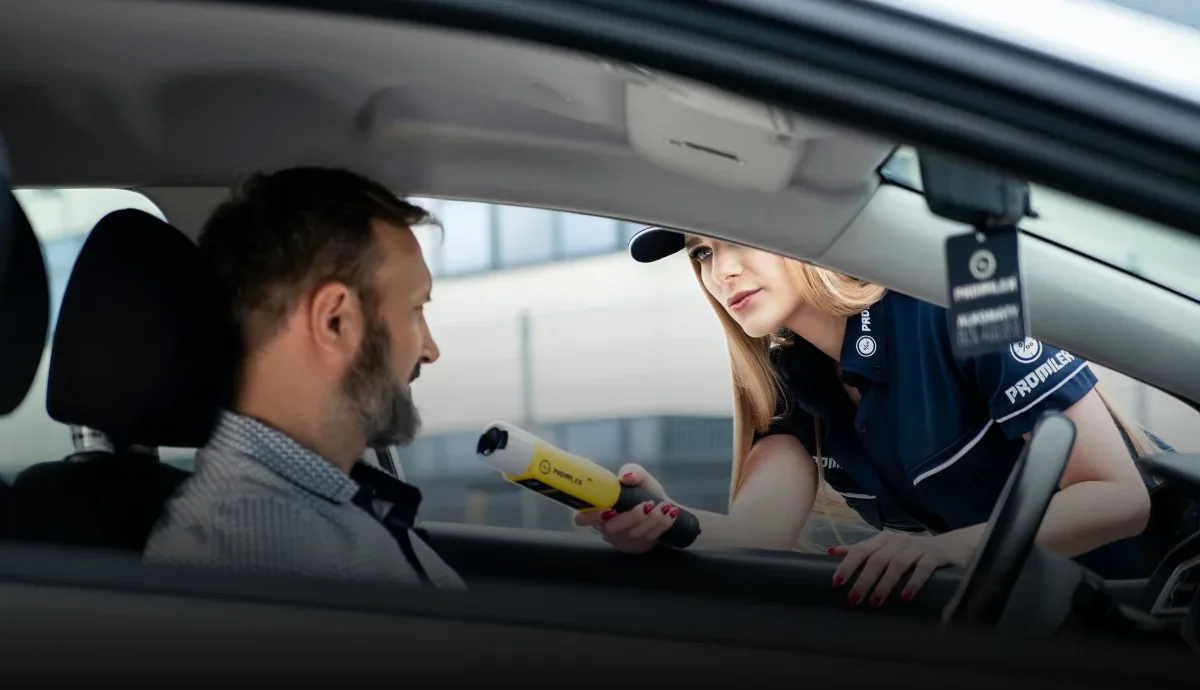
Law enforcement uses chemical testing to measure BAC levels and observational methods to assess possible impairment during a traffic stop. These methods are part of the investigative process and may be used together to evaluate intoxication. Officers rely on both chemical testing and observed behavior to assess intoxication. The approach may vary depending on the situation, available evidence, and whether the driver consents to testing under Texas implied consent laws.
Chemical And Observational BAC Testing Methods
Chemical tests and officer observations are both used to assess intoxication. These methods help establish whether a driver meets legal intoxication standards.
Common methods include:
- Breath tests using approved devices
- Blood tests conducted under specific procedures
- Field sobriety tests assessing coordination and response
- Officer observations of behavior and speech
Under Texas Transportation Code Chapter 724, implied consent laws allow officers to request a breath or blood specimen when intoxication is suspected. In many cases, how evidence is gathered and evaluated can influence how DWI and DUI cases are prosecuted in Texas courts.
BAC Evidence And Court Evaluation In DWI Cases
BAC evidence plays a role in court, but it is not the only factor considered. Courts evaluate both scientific results and other supporting evidence when reviewing DWI cases.
Judges and juries may consider the accuracy and timing of chemical tests, along with officer testimony and recorded observations. Video evidence from traffic stops and the consistency of reported behavior may also be reviewed. Even when a BAC result is below 0.08%, impairment evidence may still be evaluated as part of the overall case.
Legal BAC Limits Interact With DWI Charges
The BAC threshold interacts directly with how charges are filed and classified. A reading at or above the statutory limit may support a DWI charge, but it is not the sole determining factor.
Charges may depend on whether impairment is observed, whether BAC testing supports intoxication, and whether prior offenses or statutory factors are present. The presence of passengers or additional violations may also influence how a case is handled. Charges are structured based on definitions under Texas law and prior history.
Understanding BAC Limit in Texas And Legal Implications
The BAC limit in Texas provides a clear statutory threshold for intoxication, but it is only one part of how DWI cases are evaluated. Courts consider both chemical test results and evidence of impairment when determining whether legal standards are met. You can see that different BAC limits may apply depending on the situation, and enforcement methods involve multiple forms of evidence.
Understanding how these factors interact can help clarify how cases move through the legal process. If you would like general guidance on how criminal charges are classified and how cases move through Texas courts, Texas Criminal Defense Attorneys can help explain the process. You may book a free case evaluation by calling us at (346)485-4545 or visit the Contact Us page to learn more.
Frequently Asked Questions
How long after driving can BAC still be tested?
BAC can still be tested after driving because alcohol levels may continue to change over time. Testing is often conducted at the scene or shortly after arrest, but delays can occur depending on procedures. Courts may consider the timing of the test and how alcohol absorption or elimination could affect the accuracy of results when evaluating evidence.
Can medications affect BAC test results?
Yes, certain medications and substances may affect how BAC test results are interpreted. Some compounds may interfere with breath testing devices or influence how alcohol is processed in the body. Courts may review whether external factors could have impacted the test results, especially when evaluating reliability and accuracy in a DWI case.
What role does probable cause play in BAC testing?
Probable cause is required before law enforcement can request BAC testing during a DWI investigation. Officers must identify specific facts or observations suggesting intoxication before proceeding with chemical testing requests. Courts may review whether probable cause existed at the time of the stop or arrest when determining whether BAC evidence was lawfully obtained.
How does the BAC limit in Texas apply during traffic stops?
The BAC limit in Texas is not immediately measured during a traffic stop but becomes relevant if an investigation leads to chemical testing. Officers first assess behavior and driving patterns before requesting a breath or blood specimen. The BAC result is later used alongside other evidence when determining whether legal intoxication standards may apply in a case.
Are BAC tests required in every DWI investigation?
No, BAC tests are not required in every DWI investigation because intoxication may be evaluated through other forms of evidence. Officers may rely on observed behavior, driving patterns, and field sobriety tests when chemical testing is unavailable. Courts may consider all available evidence when determining whether intoxication has been sufficiently established under Texas law.