Quick Summary
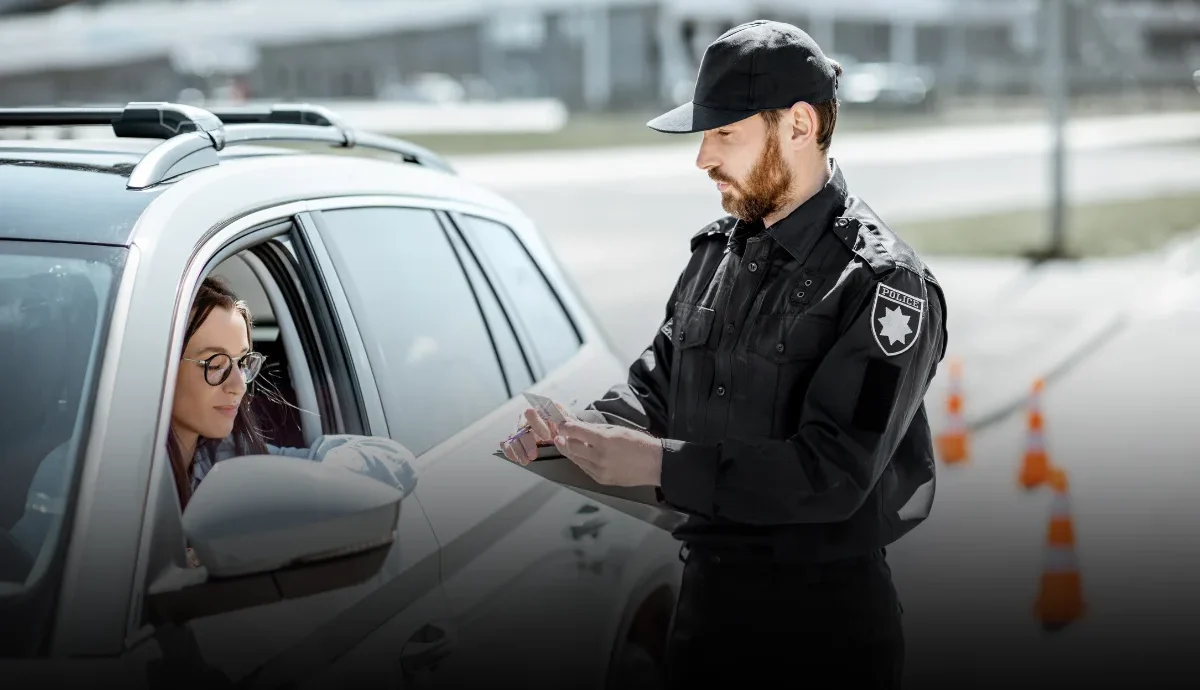
During a DWI traffic stop in Texas, you can expect officers to observe driving behavior, initiate the stop, and assess signs of impairment through interaction and field tests. You may be asked questions, perform standardized tests, or submit to chemical testing. Arrest decisions are based on observed evidence and legal standards applied during the roadside investigation, including the officer’s evaluation of all circumstances present.
When you are pulled over for suspected impaired driving, the situation can feel uncertain, and procedural steps may not be clear. A DWI traffic stop in Texas typically involves a structured process where officers evaluate driving behavior, physical signs, and responses before deciding whether an arrest is appropriate.
Understanding how these steps unfold can help you recognize how evidence is gathered and evaluated. Texas Criminal Defense Attorneys explain how officers apply legal standards during traffic stops and how these early decisions may influence how a case develops in court.
Initial Observations And Reason For Traffic Stop
Officers must first identify a lawful reason to initiate a traffic stop. You may be stopped based on observed driving behavior or a traffic violation that provides legal justification, such as swerving or drifting between lanes, sudden braking or inconsistent speed, failure to follow traffic signals, or driving without headlights at night.
These observations form the basis for the stop and may later be reviewed by courts to determine whether the officer had reasonable suspicion to investigate further. Under Texas law, officers must rely on specific, observable facts rather than assumptions when initiating a stop.
Officer Interaction And Behavioral Assessment Procedures Overview
After stopping your vehicle, officers begin evaluating signs of possible impairment through direct interaction. You may be asked questions and observed for physical and behavioral indicators such as speech clarity and coherence, odor of alcohol or other substances, eye movement and coordination, and your ability to follow instructions. These observations help officers form an initial assessment of your condition.
This interaction plays a key role in determining whether further testing is necessary, as the evaluation is based on the overall context of your responses and behavior rather than a single factor. The DWI stop process in Texas often relies on these early observations when deciding whether to proceed with field sobriety testing.
Standardized Field Sobriety Testing Procedures Explained
Standardized field sobriety tests are used to assess coordination, balance, and divided attention during a roadside evaluation. You may be asked to perform specific tasks that help officers determine whether signs of impairment are present. These tests are typically conducted at the scene of a DWI traffic stop Texas and form part of the officer’s evaluation before deciding whether further action is appropriate.
Common Types Of Field Sobriety Tests
These tests typically include three standardized methods used to evaluate impairment. You may be asked to follow a moving object with your eyes during the horizontal gaze nystagmus test, walk heel-to-toe in a straight line for the walk-and-turn, or balance on one leg during the one-leg stand.
Officers are trained to administer these tests consistently, but environmental factors such as uneven surfaces, lighting, or physical limitations may affect performance. Courts may later review how these tests were conducted, including whether proper instructions were given, when evaluating DWI-related evidence.
Chemical Testing And Implied Consent Law Application
Chemical testing is used to measure alcohol concentration in a person’s system. Individuals may be asked to provide a breath or blood sample following an initial evaluation by law enforcement.
Under Texas implied consent laws, drivers are deemed to have consented to chemical testing after a lawful arrest. Refusal may result in administrative consequences, such as license suspension.
According to Texas Transportation Code § 724.011, drivers are deemed to have given consent to submit to chemical testing.
Testing results may be used as evidence in court proceedings, and the manner in which samples are collected and handled may also be examined during legal proceedings.
Probable Cause Evaluation Before Making Arrest Decisions
Before making an arrest, officers must determine whether probable cause exists, meaning there are sufficient facts indicating that an offense has likely occurred. This determination may be based on a combination of factors, including driving behavior observed before the stop, statements made during the interaction, performance on field sobriety tests, and results of preliminary testing. No single factor automatically results in an arrest.
Instead, officers evaluate the totality of circumstances when deciding whether to proceed. Understanding how probable cause is established can help explain why arrest decisions may vary from case to case and how different pieces of information are considered during the process.
Arrest Procedures Following DWI Stop Evaluation Steps
If probable cause is established, officers may proceed with an arrest, and you are typically taken into custody and transported for further processing. After the arrest, procedures may include formal chemical testing, booking and documentation, and the recording of evidence and statements. These steps mark the beginning of the formal legal process and create records that may later be reviewed in court.
The accuracy and handling of this information can play a role in how the case progresses, as errors or inconsistencies may affect how evidence is evaluated. In many cases, legal outcomes also depend on how DWI and DUI cases are prosecuted in Texas courts and how the collected information is presented during proceedings.
Closing Overview Of Texas DWI Traffic Stop Procedures
A DWI traffic stop in Texas follows a structured process that begins with observation and continues through interaction, testing, and evaluation of probable cause. Each stage contributes to how officers decide whether an arrest is appropriate and how evidence is documented for court review.
You can see that no single factor determines the outcome. Instead, officers rely on a combination of observations, test results, and legal standards when making decisions. Understanding these procedures helps clarify how cases begin and how early evidence is developed.
If you would like general guidance on how criminal charges are classified and how cases move through Texas courts, Texas Criminal Defense Attorneys can help explain the process. You may book a free case evaluation by calling us at (346)485-4545 or visit the Contact Us page to learn more.
Frequently Asked Questions
What rights do you have during a traffic stop involving suspected impairment?
You have the right to remain silent and to decline answering questions that may be self-incriminating. You are also entitled to know the reason for the stop and to be treated in accordance with legal procedures. While you must provide identification and comply with lawful orders, your constitutional protections still apply throughout the interaction and any subsequent investigation.
Can passengers be questioned during a traffic stop?
Yes, officers may question passengers during a traffic stop, but passengers are not required to answer investigative questions. Law enforcement may observe passenger behavior and ask general questions to gather context about the situation. However, passengers typically are not subject to the same level of investigation unless there is independent reason to suspect involvement in a separate offense.
Can an officer search your vehicle during a traffic stop?
An officer may search your vehicle during a traffic stop if certain legal conditions are met. This can include consent, probable cause, or specific exceptions recognized under Texas law. The scope of a search depends on the circumstances of the stop, and courts may later evaluate whether the search was conducted within legal boundaries.
What happens if an officer makes a mistake during the stop process?
If an officer makes a procedural mistake during a traffic stop, courts may review whether that error affects the legality of the evidence collected. This can include improper testing, unclear instructions, or lack of legal justification for actions taken. Depending on the circumstances, such issues may influence how evidence is evaluated in court proceedings.
What role do body cameras play during traffic stops?
Body cameras record interactions during a DWI traffic stop in Texas, providing visual and audio documentation of the encounter. This footage may be reviewed to evaluate officer conduct, statements made, and how procedures were carried out. Courts may consider this evidence when determining whether proper procedures were followed and whether the recorded events support the actions taken.