Quick Summary
When you face felony charges in Texas, the state must present evidence to a grand jury before a formal trial can begin. This process serves as a screening mechanism to ensure there is enough probable cause to move forward with a case. Understanding the Texas felony indictment process and grand jury decision timeline helps you anticipate the procedural steps that follow a felony arrest.
If you are arrested for a felony, you should know that a prosecutor cannot simply take you to trial without first obtaining an indictment.
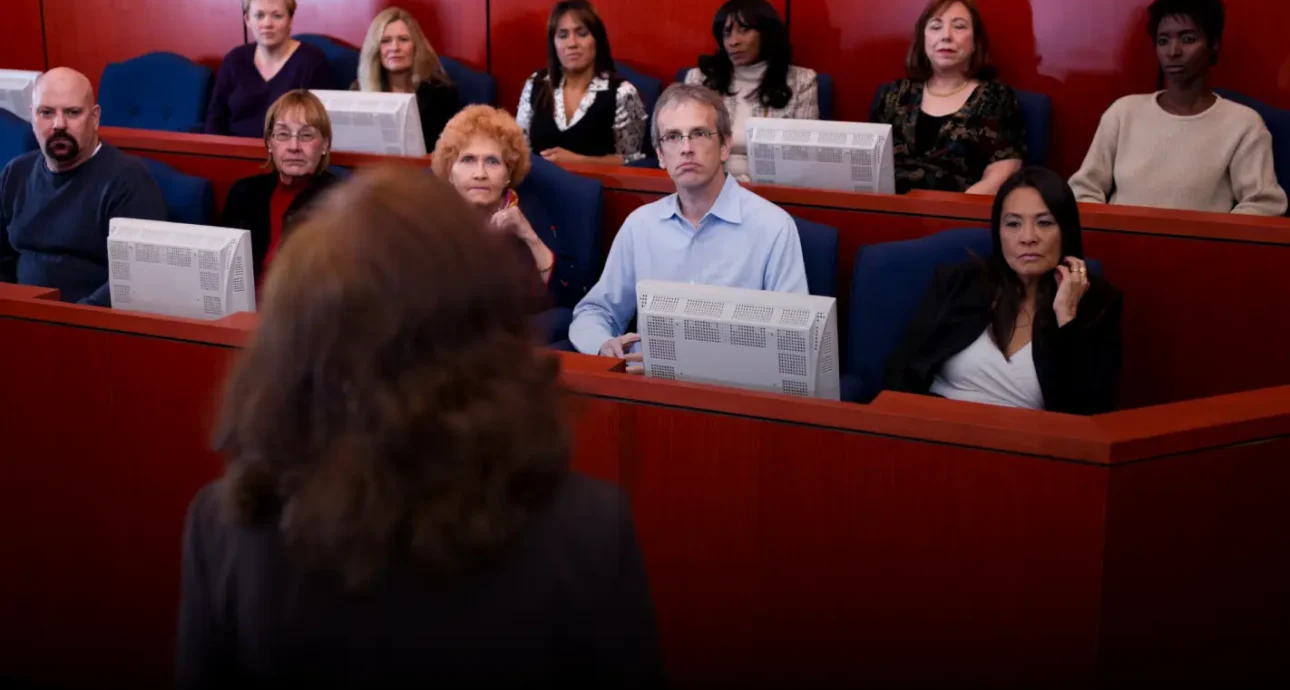
Under the Texas felony indictment process and grand jury decision timeline, the state presents its evidence behind closed doors to a group of citizens known as a grand jury. This body determines whether the state has met the “probable cause” standard required to officially charge you.
You will find that this phase is unique because it is not an open court proceeding. You do not have a right to be present, and your defense attorney is generally not allowed in the grand jury room while testimony is being heard.
Texas Criminal Defense Attorneys can assist you by explaining these procedural rules and monitoring the status of your case during this critical window.
What Happens During a Texas Felony Indictment Process
You should be aware that the grand jury’s primary function is to act as a “shield” between the government and the citizens. During the proceeding, the prosecutor presents witnesses and physical evidence to show that a crime was likely committed. You should understand that the burden of proof here is much lower than the “beyond a reasonable doubt” standard used in a criminal trial.
- Evidence Presentation: Prosecutors present the state’s version of events, often using police reports or investigator testimony.
- Grand Jury Deliberation: The jurors privately discuss the evidence and vote on whether to return an indictment.
- True Bill vs. No Bill: If nine out of twelve jurors agree there is sufficient evidence, they issue a “True Bill” (indictment); otherwise, they issue a “No Bill”.
Know more about: From Arrest to Indictment: How Felony Cases Move Through the Texas Criminal Court System
How Long Does a Texas Grand Jury Take to Decide
Your timeline for a grand jury decision depends largely on whether you are currently in custody or out on bond. While the Texas felony indictment process and grand jury decision timeline can vary by county, state law provides certain protections against indefinite delays. You should know that if you are in jail, the state typically faces stricter deadlines to present your case.
According to the Texas Code of Criminal Procedure, if an indictment is not presented by the end of the next term of court, you may be eligible for a bond reduction or release. Factors such as the complexity of the forensic evidence or the availability of key witnesses can extend the time it takes for a grand jury to review your file.
Can the Grand Jury Refuse an Indictment in Texas
You should understand that the grand jury has the absolute power to refuse to indict if it believes the state’s evidence is weak. When this happens, it is called a “No Bill,” which effectively dismisses the current charge against you. You should know that while a “No Bill” is a positive outcome, it does not always mean the case is permanently closed.
- Insufficient Probable Cause: The jurors may decide the facts do not support the specific felony charge being sought by the state.
- Prosecutorial Discretion: Sometimes, a grand jury may recommend a lower misdemeanor charge rather than a felony.
- Re-presentation: Prosecutors can potentially present the case to a different grand jury later if new evidence is discovered.
General guidance on grand jury service and functions is available through the Texas Judicial Branch.
The Impact of the Indictment on Your Case Path
Once a True Bill is signed, your case is officially transferred from the magistrate or justice court to a District Court.
You should be prepared for the formal arraignment, where you will enter a plea of guilty or not guilty. The indictment serves as the formal notice of the charges, and it limits what the state can try to prove during your trial.
Because the indictment marks the formal start of a felony prosecution, you should use the time before this happens to investigate the state’s claims.
Identifying weaknesses in the prosecution’s narrative early in the Texas felony indictment process can be vital for your defense strategy.
Knowing that a grand jury must approve the charge ensures that you are not subjected to arbitrary prosecution without a basic review of the facts.
What to Expect During the Texas Felony Indictment Process
You should now understand that the indictment process is a mandatory procedural step that determines whether the state has the legal right to proceed with a felony trial.
By recognizing the roles of the prosecutor and the grand jury, you can better anticipate the timeline and requirements of your case.
These procedural safeguards are designed to ensure that only cases with sufficient evidence proceed to the district court.
If you would like more information about how felony cases and the grand jury system work, Texas Criminal Defense Attorneys can provide guidance based on your situation.
You can reach us at (346) 485-4545 or through our Contact Us page to learn more about your options.
Frequently Asked Questions
Can small amounts lead to intent to distribute in Texas?
You can be charged with intent to distribute even if the quantity of controlled substances found in your possession is minimal. Texas prosecutors often rely on circumstantial evidence like digital scales, small plastic baggies, or multiple cell phones to prove your plan to deliver drugs. The presence of these items suggests a commercial intent that legally overrides the weight discovered during your arrest or search.
What happens during a Texas felony indictment process?
During the Texas felony indictment process and grand jury decision timeline, a prosecutor presents evidence to a grand jury to establish probable cause. The grand jury meets in secret to hear testimony and review physical evidence. If at least nine jurors agree that a crime occurred, they issue a formal indictment, which allows your felony case to move forward into the district court.
How long does a Texas grand jury take to decide?
The timeline for a grand jury decision varies depending on the county and the complexity of your specific felony case. Generally, if you are in custody, the state aims to present the case within 90 days to avoid bond challenges. However, if you are out on bond, it can sometimes take several months for the grand jury review to reach a final decision.
Can a grand jury refuse an indictment in Texas?
Yes, a grand jury can refuse to indict you by issuing what is known as a “No Bill”. This occurs when fewer than nine jurors find sufficient probable cause to justify a felony trial. While a “No Bill” can lead to your release and the dismissal of charges, you should remain aware that prosecutors might legally re-present the same case later.
Are you allowed to have an attorney during a grand jury?
You do not have the right to have an attorney present inside the grand jury room while evidence is presented. While your lawyer can wait outside the room to provide advice if you are called to testify, the proceedings remain closed to the public and the defense. This is why preparing with your legal team before the scheduled session begins is absolutely essential.